
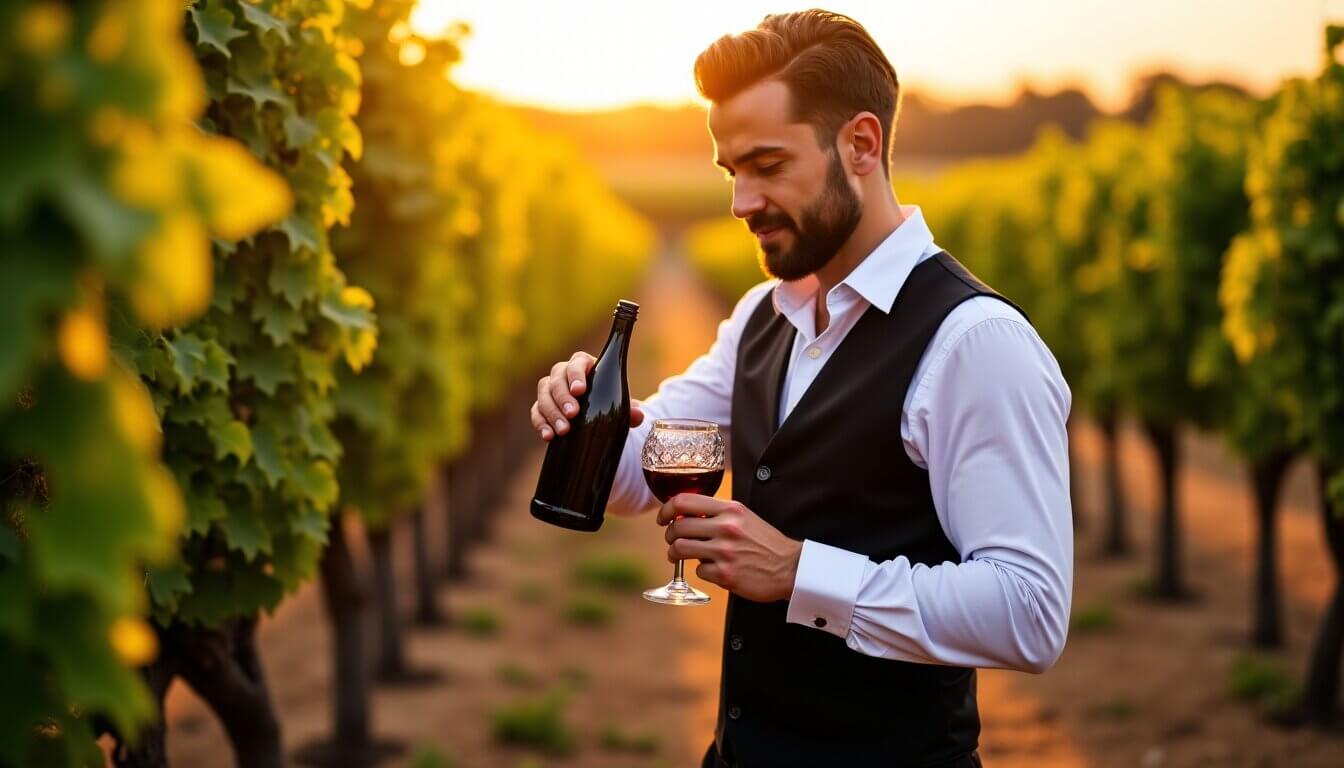
Exploring the Unique Appeal of Primeur Wines
The world of fine wine offers many fascinating facets, but few capture the imagination quite like the tradition of En Primeur. This time-honored campaign, deeply rooted in history, continues to captivate the global wine world, drawing in merchants, critics, investors, and enthusiasts alike. It represents a unique opportunity to engage with a vintage long before it reaches its final bottled form, making the process of <strong>exploring unique appeal</strong> of these wines a journey of discovery and anticipation.
At its core, En Primeur involves purchasing wines while they are still maturing in barrels, prior to their official release onto the market. This practice allows buyers to secure allocations of highly sought-after wines that might become scarce or more expensive upon release. The ritual shapes the rhythm of the wine calendar, with experts assessing young wines and forming early impressions of a vintage’s potential.
Understanding this particular market requires an appreciation for both tradition and foresight. It’s a system built on trust, expert judgment, and a shared passion for exceptional wines, offering a distinct pathway to collecting or enjoying some of the finest productions from renowned regions.
The legacy of En Primeur: A timeless tradition
The practice of selling wine “in barrel” has a rich heritage, particularly in regions known for their grand cru classifications. This system evolved as a practical way for châteaux to manage cash flow and for négociants (wine merchants) to secure stock early. Over time, it transformed into a sophisticated market mechanism, celebrated for its ability to offer a glimpse into the future of a vintage.
The campaign typically begins with a series of tastings where wine professionals evaluate samples directly from the barrel. These initial assessments are crucial, as they provide the first indicators of a vintage’s character, quality, and potential for longevity. The collective impressions of critics and experts play a significant role in shaping market sentiment and influencing demand for the nascent wines.
This early engagement fosters a deep connection between the producer and the enthusiast. It’s not merely a transaction; it’s an participation in the evolution of a wine, from its raw, youthful state to its eventual bottled perfection. This shared experience contributes significantly to the enduring allure and unique appeal of the En Primeur system.
What defines a primeur vintage?
Several critical factors converge to define the quality and potential of a primeur vintage. The overall climatic conditions throughout the growing season are paramount, influencing everything from grape ripeness to acidity levels. A balanced season, with optimal rainfall and sunshine, often contributes to a vintage deemed “prime” or exceptional.
Beyond the weather, the expertise of the winemaking team plays a pivotal role. Their decisions in the vineyard and cellar—from pruning and harvesting to fermentation and barrel aging—are instrumental in translating the raw material into a wine of distinction. Every vintage presents its own set of challenges and opportunities, requiring careful stewardship.
Critics’ scores and early reviews also act as powerful indicators. These evaluations, often based on extensive barrel tastings, provide a professional benchmark for quality. While individual preferences vary, a consensus among respected critics can significantly influence the perception and demand for a particular vintage. We carefully consider these elements when assessing the potential of new releases.
Assessing the elements of quality
When evaluating a primeur wine, experts look for several key characteristics. These include the wine’s concentration, structure, fruit purity, and the integration of tannins and acidity. A wine that shows promise at this early stage often exhibits a harmonious balance, even in its youth, hinting at its capacity for graceful aging. The aroma profile is also closely examined, seeking complexity and typicity.
“The true beauty of En Primeur lies in its promise. It’s about tasting the future, discerning the potential, and appreciating the journey a wine will undertake from barrel to bottle, and then for decades beyond.”
The supply level of a vintage is another practical consideration. Some years yield smaller quantities due to challenging weather conditions, which can naturally increase the desirability and potential value of the wines. Conversely, abundant vintages may offer broader accessibility, allowing more enthusiasts to secure their desired selections. This interplay of quality and quantity adds another layer of intrigue to the market.
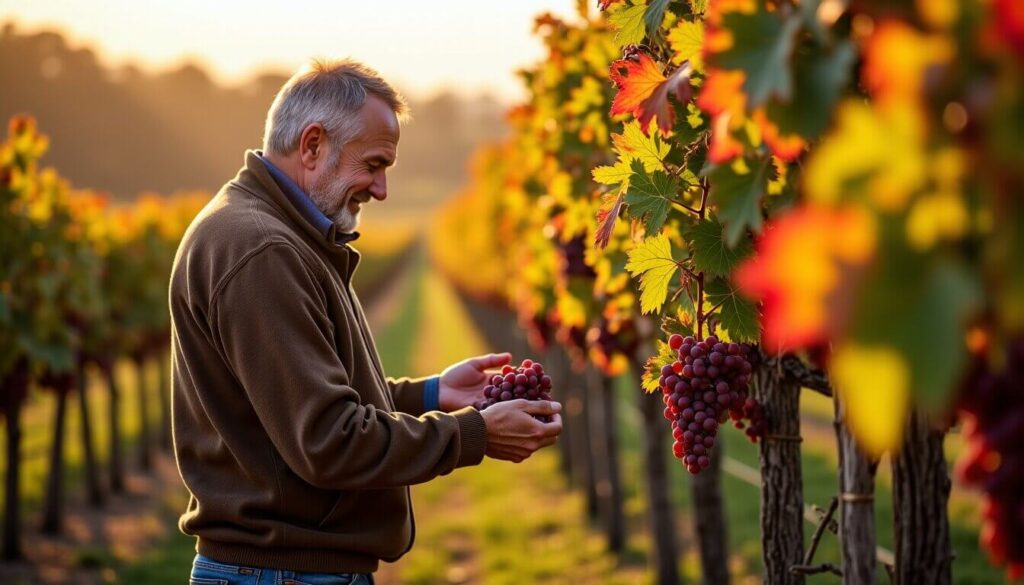
The advantages of acquiring primeur wines
Purchasing primeur wines offers a distinct set of benefits that appeal to a wide range of buyers, from seasoned collectors to those just beginning their wine journey. One of the most compelling advantages is the potential for favorable pricing. Historically, many primeur wines are offered at a lower price point than their eventual release price upon bottling. This allows buyers to acquire sought-after labels before their market value fully solidifies.
Another significant benefit is access to limited allocations. Many of the world’s most prestigious wines are produced in finite quantities, and securing them after they have been bottled can be challenging due to high demand. The En Primeur system provides an exclusive window to reserve these wines, ensuring that collectors can add specific vintages and estates to their cellars that might otherwise be unavailable.
Furthermore, buying primeur wines guarantees impeccable provenance. Since the wines are purchased directly from the producer or through authorized merchants and stored professionally until delivery, buyers can be assured of their authenticity and optimal storage conditions from the very beginning. This peace of mind is invaluable for serious collectors and those who value the integrity of their wines. For those interested in exploring the diverse range of these early releases, understanding the market for Primeurs wines can open up a world of opportunities.
Comparing primeur purchase to direct release
To illustrate the distinct benefits, consider the following comparison:
| Feature | Primeur purchase | Direct release purchase |
|---|---|---|
| Acquisition timing | Before bottling, while wine is in barrel | After bottling and market release |
| Price potential | Often at a lower initial offering price | Market price, potentially higher than primeur |
| Access to allocations | Priority access to limited quantities | Subject to market availability, potentially scarce |
| Provenance assurance | Guaranteed direct from source, optimal storage from start | Dependent on retailer’s storage and handling |
| Payment structure | Typically paid in advance of delivery | Paid upon purchase and immediate delivery |
| Patience required | Yes, several years until delivery | No, immediate delivery |
This table highlights how the primeur system caters to those who value early access, potential value, and guaranteed origins, even if it means a period of waiting before the wines arrive in their cellars.
Navigating the primeur market: Considerations for enthusiasts
Engaging with the primeur market requires a thoughtful approach. Enthusiasts should first dedicate time to understanding the specific characteristics of the vintage in question. This involves researching reports from respected wine critics and publications, which offer insights into the overall quality and style of the wines produced. These reports often detail the growing conditions and provide tasting notes for individual châteaux, guiding potential buyers toward informed decisions.
Another key consideration is aligning purchases with personal preferences and collection goals. Not every primeur offering will appeal to every palate or fit every cellar strategy. Whether the aim is to acquire wines for long-term aging, future enjoyment, or as part of a diverse collection, a clear understanding of what one seeks is paramount. This personalized approach ensures that primeur acquisitions are both satisfying and purposeful.
Finally, working with reputable wine merchants is essential. These trusted partners can provide expert advice, manage the purchasing process, and ensure secure storage and eventual delivery of the wines. Their knowledge of the market and established relationships with producers are invaluable resources for anyone considering primeur acquisitions.
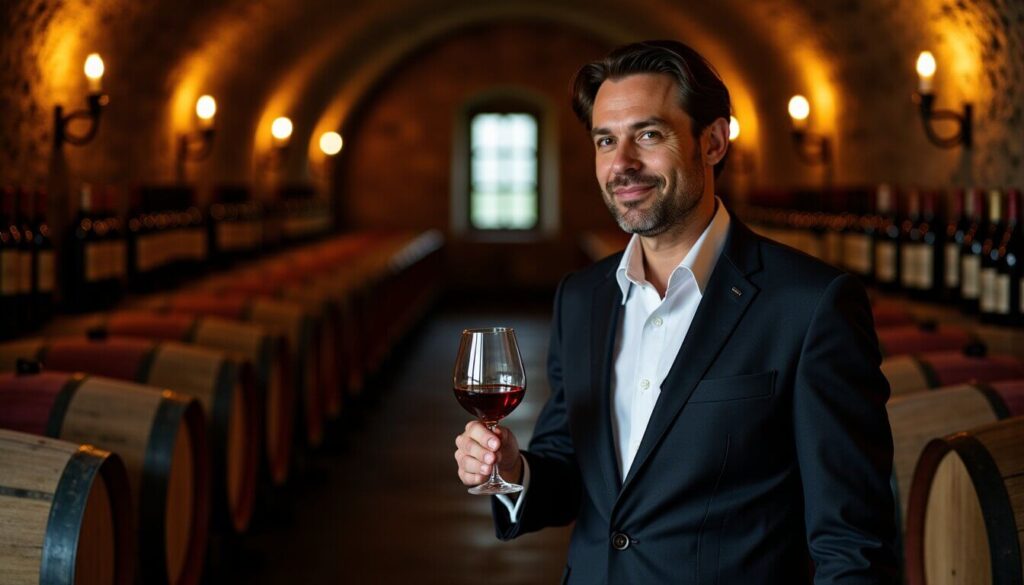
Steps for a successful primeur acquisition
The journey of acquiring primeur wines can be broken down into several manageable steps:
- Research the vintage: Consult multiple reputable sources for vintage reports and critic scores.
- Identify target wines: Based on research and personal preference, select the specific châteaux or wines of interest.
- Engage with a merchant: Contact a trusted wine merchant to discuss availability, pricing, and terms.
- Place your order: Confirm your selections and submit your order through the merchant.
- Arrange storage: Typically, wines are stored in bond by the merchant until they are ready for delivery, ensuring optimal conditions.
- Await delivery: Exercise patience as the wines complete their barrel aging, bottling, and shipping process, which can take several years.
Following these steps can help ensure a smooth and rewarding experience when participating in the primeur market, allowing enthusiasts to confidently secure their desired wines.
The allure of rarity and early access
For many, the appeal of primeur wines extends beyond potential value or guaranteed provenance; it lies in the unique thrill of rarity and early access. The opportunity to secure wines that will become highly sought after upon release, sometimes even before their quality is fully recognized by the broader market, is a powerful motivator. This sense of being “in the know” and ahead of the curve adds an exciting dimension to wine collecting.
Moreover, the journey from barrel to bottle is an intrinsic part of the allure. Wine lovers are not just buying a product; they are investing in a process, a future promise. The anticipation built during the years a wine spends maturing in the cellar, under the careful watch of the winemaker, creates a profound connection to the final product. It transforms the act of purchase into a more immersive and educational experience.
This early engagement also fosters a sense of community among those who participate. Discussions about vintage quality, critic predictions, and personal selections become part of a shared passion. It’s a collective experience of discovery and appreciation that distinguishes primeur from other forms of wine acquisition.
Understanding the potential for value and enjoyment
The world of primeur wines offers a compelling blend of potential appreciation and profound personal enjoyment. For many, the decision to purchase these wines is driven by the prospect of securing exceptional quality at an advantageous price, with the hope that their value will increase over time. This aspect, while not guaranteed, adds an intriguing dimension for collectors who view wine as both a passion and a tangible asset.
Beyond any financial considerations, the ultimate reward of primeur wines lies in the pleasure they bring. Imagine opening a bottle years after its initial purchase, knowing that you secured it at its earliest stage, watched its journey, and now get to experience its full expression. This deep connection to the wine’s history, from barrel to glass, elevates the tasting experience to something truly special.
Whether you are drawn to the tradition, the potential for value, or simply the desire to own some of the world’s most distinguished wines, the unique appeal of primeur offerings remains undeniable. It’s a testament to the enduring fascination with fine wine and the rewarding journey it offers to those willing to explore its depths.